

Sea air, a short walk to the beach and a view that changes hour by hour. It is easy to see why so many people decide to settle on the Kent coast — a Victorian terrace in Folkestone, a weatherboarded cottage in Whitstable, a bungalow behind the sea wall at Hythe.
Buying here asks different questions than buying ten miles inland. Some answers take a bit of digging, and a few of them change whether a house is right for you at all. These are the oversights that come up again and again.
1. Assuming the flood map tells the whole story
The Environment Agency's flood map for rivers and the sea is the obvious first stop, and genuinely useful. It is not the whole picture. Surface water flooding — what happens when drains cannot cope with a sudden downpour — sits on a separate map, and groundwater behaves differently again in low-lying areas. A property shown as low risk on the main map can still have a damp cellar, a driveway that turns into a stream, or a soakaway that gave up years ago.
Ask the seller about flooding and drainage, then ask the neighbours. People who have lived on the same road for twenty years will tell you things no search will. Look for signs the property has already been adapted — raised sockets, tiled floors, non-return valves on the drains.
- Which types of flooding affect the street, not just the postcode
- Whether the property has ever flooded, and when
- Where rainwater goes: mains drainage, soakaway or ditch
- Whether ground levels slope towards the house
- What the council says about drainage and defence maintenance
2. Leaving the insurance quote until the last minute
Coastal homes, particularly those near tidal rivers or marshland, can be more expensive to insure. Sometimes it is the premium; more often it is the excess, the conditions, or a comparison site declining the property altogether. Finding that out a week before completion, when your mortgage depends on cover being in place, is a miserable position.
Get quotes the moment an offer is accepted. Speak to a broker who handles coastal and flood-risk properties rather than relying on one online form. The Flood Re scheme keeps cover available for many homes at high flood risk, but eligibility depends on the property and it does not cover every case. If the numbers look uncomfortable, better to know while you can still negotiate or walk away. For anything touching your mortgage or insurance, take advice from a regulated professional.
3. Treating coastal erosion as someone else's problem
Erosion is slow and uneven. Some stretches of the Kent coast have held their line for decades thanks to sea walls, groynes and beach recharge; others are receding steadily. Two nearby streets can sit in very different situations.
Start with the shoreline management plan covering that frontage, and the national coastal erosion risk mapping. Read what the policy says for the area — hold the line, managed realignment, or no active intervention. "No active intervention" is not a phrase you want to discover after exchange.
Then look at the ground. Is the house on a cliff top, behind a sea wall, or on a low frontage? Who maintains the defences, and is that maintenance current? If a nearby coastal path has been rerouted, ask why. For cliff-top properties, a structural survey and a word with the planning department are money well spent. Erosion plays out over decades, but lenders think in exactly those terms.
4. Underestimating what salt air does to a building
Salt and wind-driven rain are hard on materials. Metal fixings corrode, hinges stiffen, gutters need attention more often, and timber windows want repainting on a shorter cycle. Render can blow, external paint chalks, and gates and railings rust at the joints.
None of this rules out a coastal home. It means budgeting for it. At a viewing, check anything metal or timber on the seaward side, and note the age of windows and doors. Ask what the current owner spends on maintenance in a typical year. In a flat, read the lease and service charge accounts closely — repairs to a sea-facing facade are a shared cost. Ask your solicitor to explain anything in the lease you do not follow.
5. Viewing only in sunshine, or only in August
A bright summer viewing shows the coast at its best, but not what happens when rain comes in sideways. If you can, visit during a storm, or at least in heavy rain at high tide. Look for damp patches, water sitting against walls, overflowing gullies, and the smell of a house closed up in wet weather.
Do the reverse too. In August, check the parking on your road and how far you will really walk with shopping in July. Listen for noise from a nearby beach, pub or seafront car park, and ask whether the road becomes an overflow car park in the school holidays. If you can only manage one visit, go out of season. You will see the town as residents live in it, and you will have a clearer conversation with the seller when nobody is rushing to the beach.
6. Skipping the paperwork coastal homes need
Conservation areas and listed buildings are common along this coast, and some councils have added planning restrictions on short-term letting. That matters if you plan to rent the place out, extend it or replace the windows. Check with the planning department rather than assuming.
Also pin down the practical things: broadband speed, mobile signal, water pressure, whether the property runs on mains gas or heating oil, and how the drains cope after a fortnight of rain. On a private road or estate, find out who is responsible for the sea wall, the access road or the communal gardens, and what that costs. Your solicitor should be asking these questions — make sure they know it is a coastal property.
Before you commit: a short checklist
- Check flood risk from every source, not just the main map
- Get insurance quotes before you instruct a solicitor, not after
- Read the shoreline management plan for that frontage
- Budget for salt-air maintenance and check what a lease or service charge covers
- View in bad weather and out of season if you possibly can
- Ask about short-term lets, conservation rules and who maintains the defences
- Use a surveyor and solicitor who have worked on coastal property before
Buy well and the coast repays you every morning. Buy in a hurry and the sea will remind you of the details you skipped — usually in January, usually through a window frame.
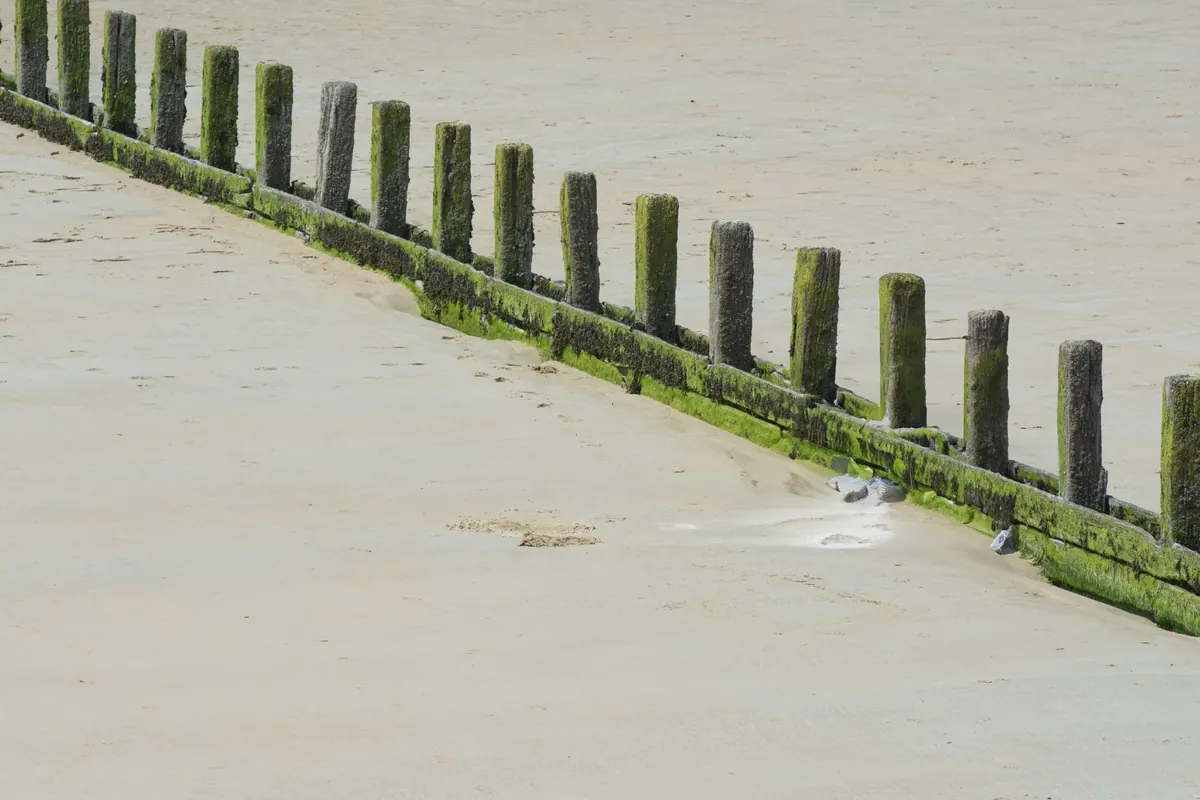
Photo: Jan van der Wolf / Pexels